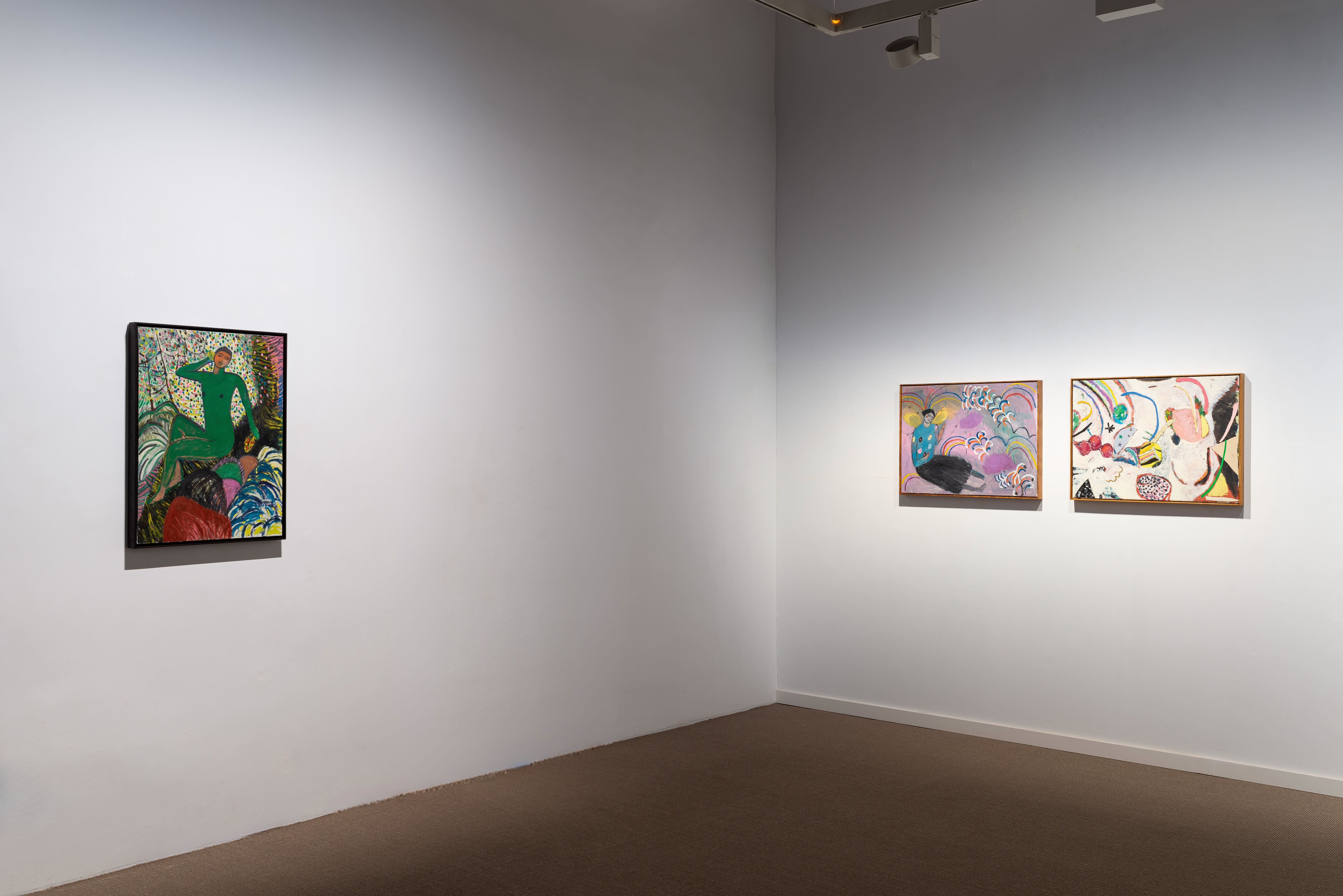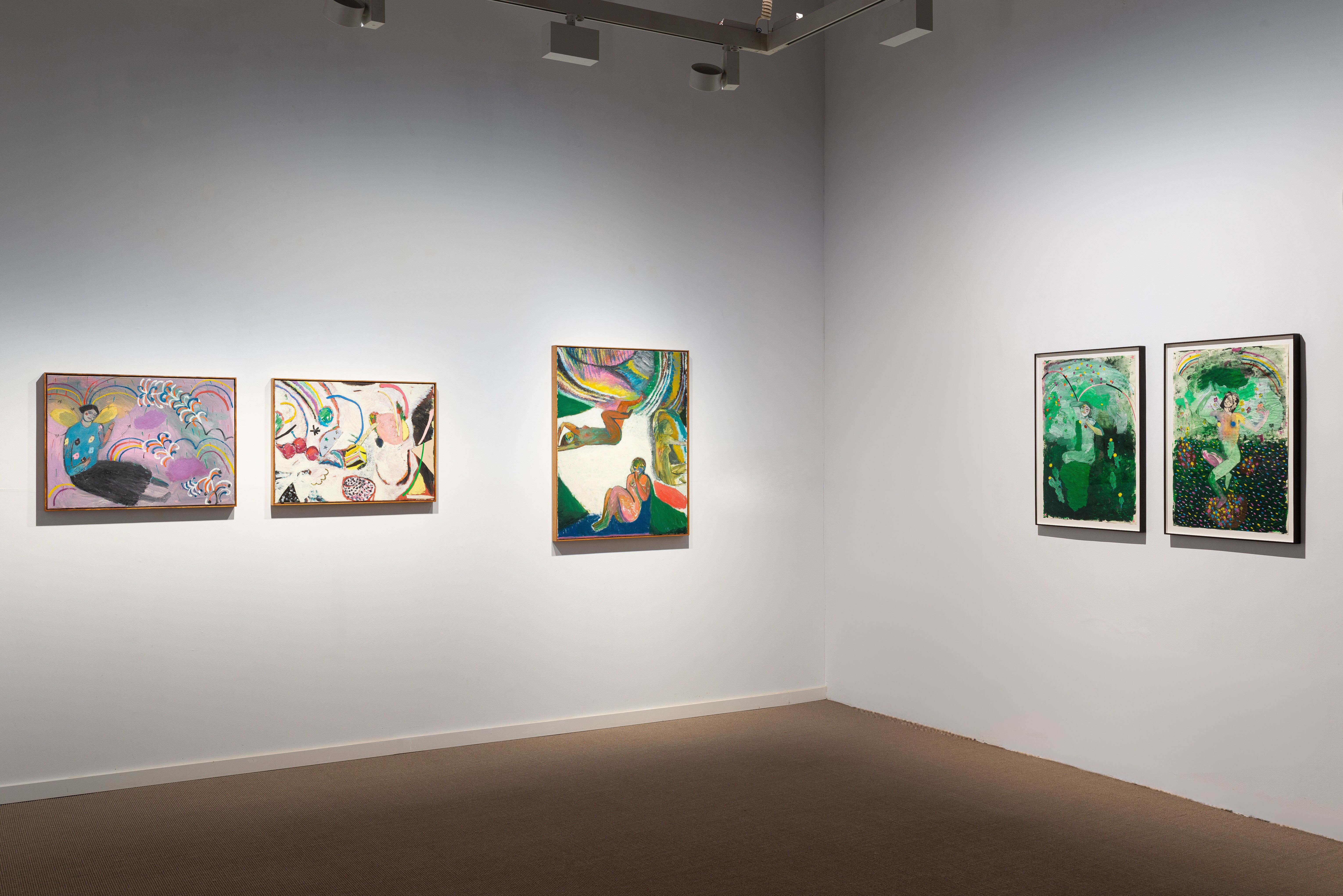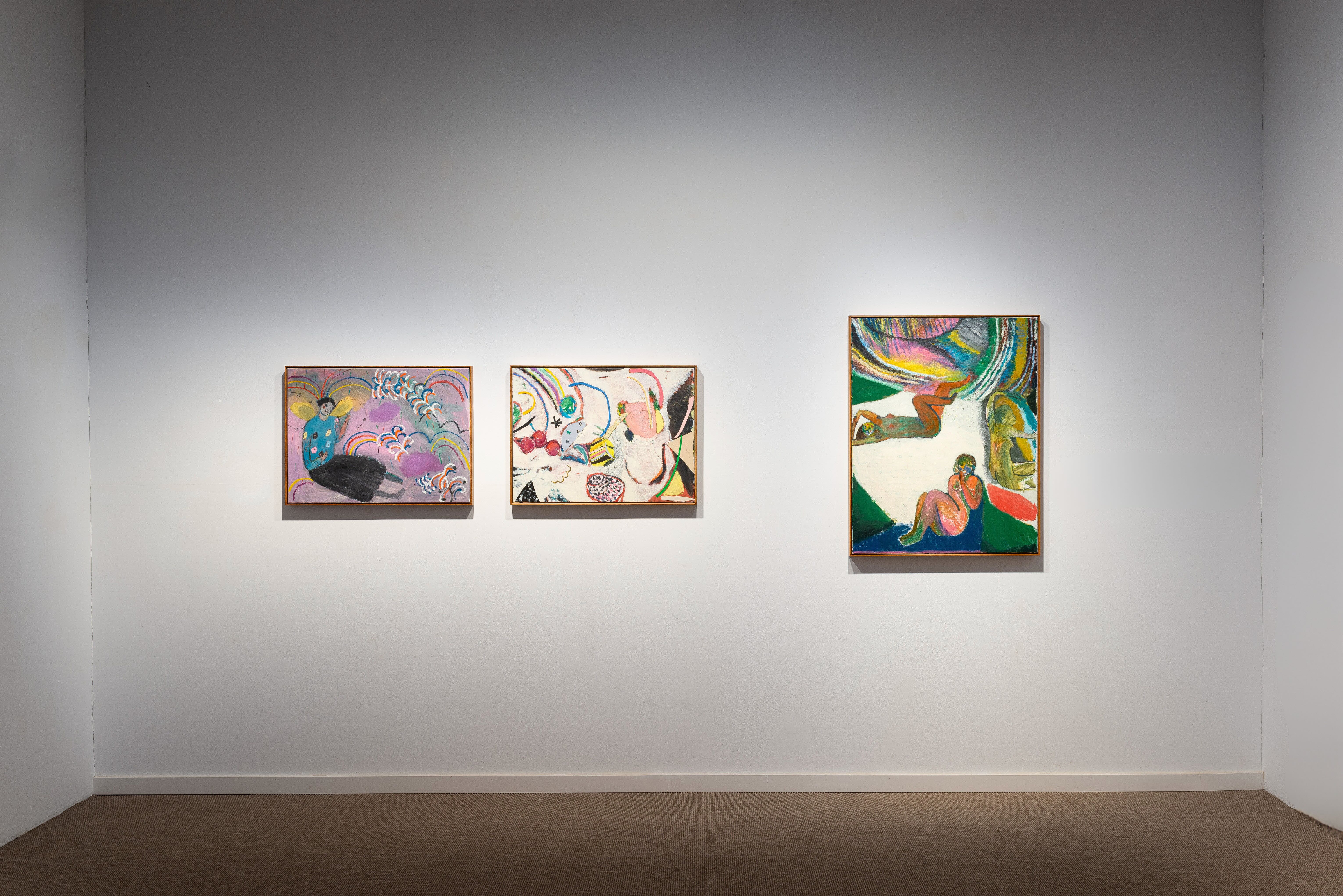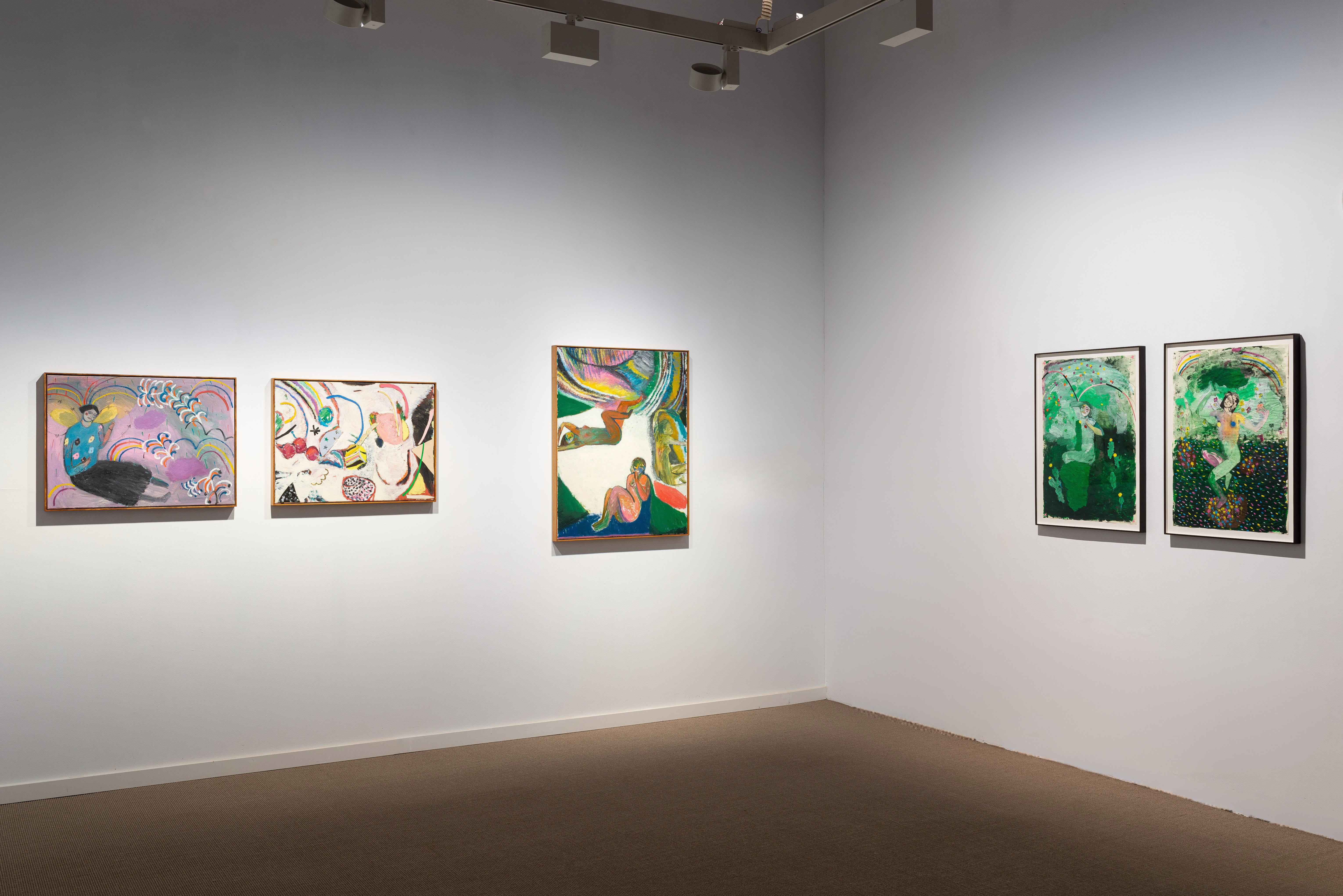

From March 22 to May 29, 2025
Individual exhibition by Mònica Subidé at Pelaires Cabinet, curated by Sasha Bogojev.
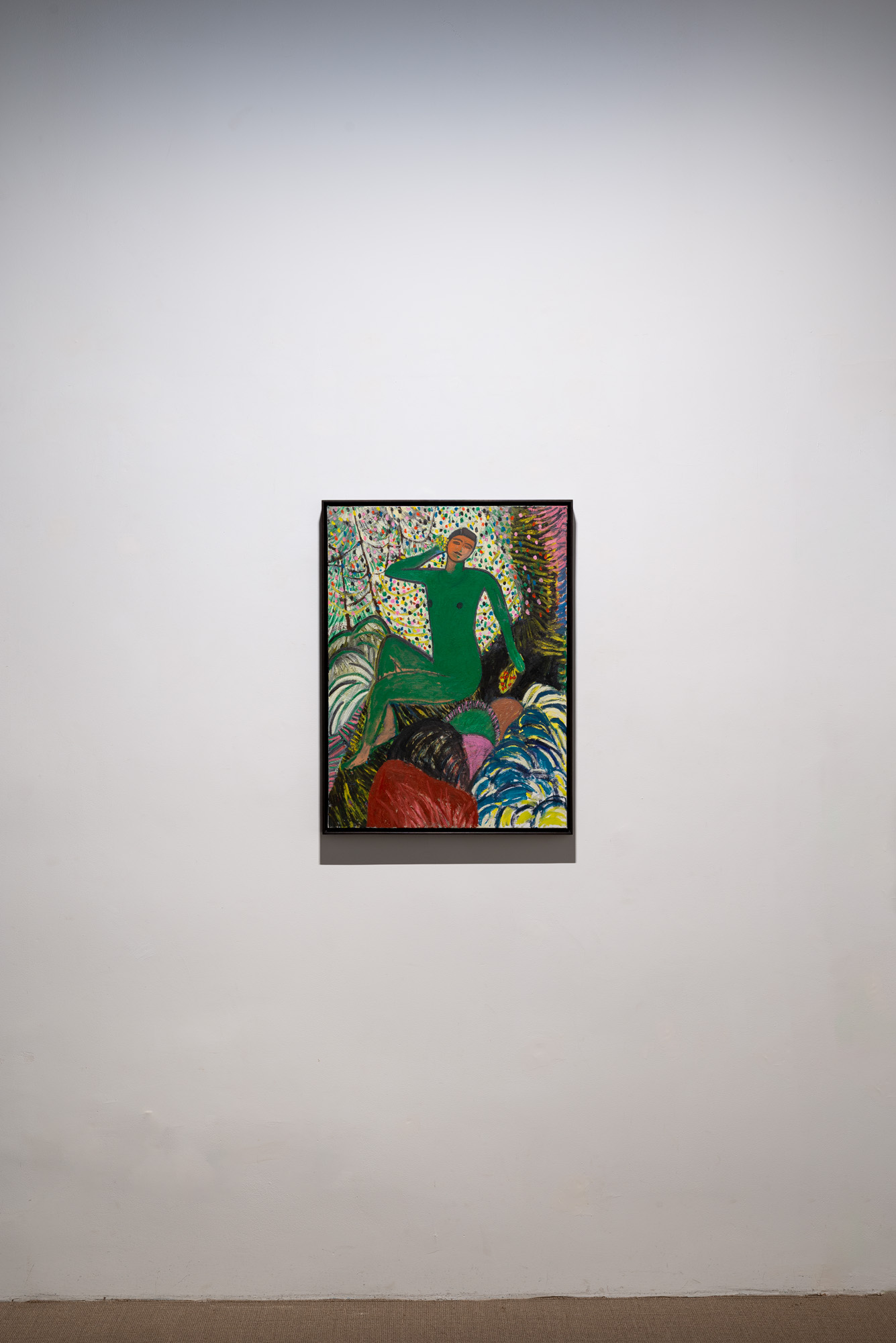
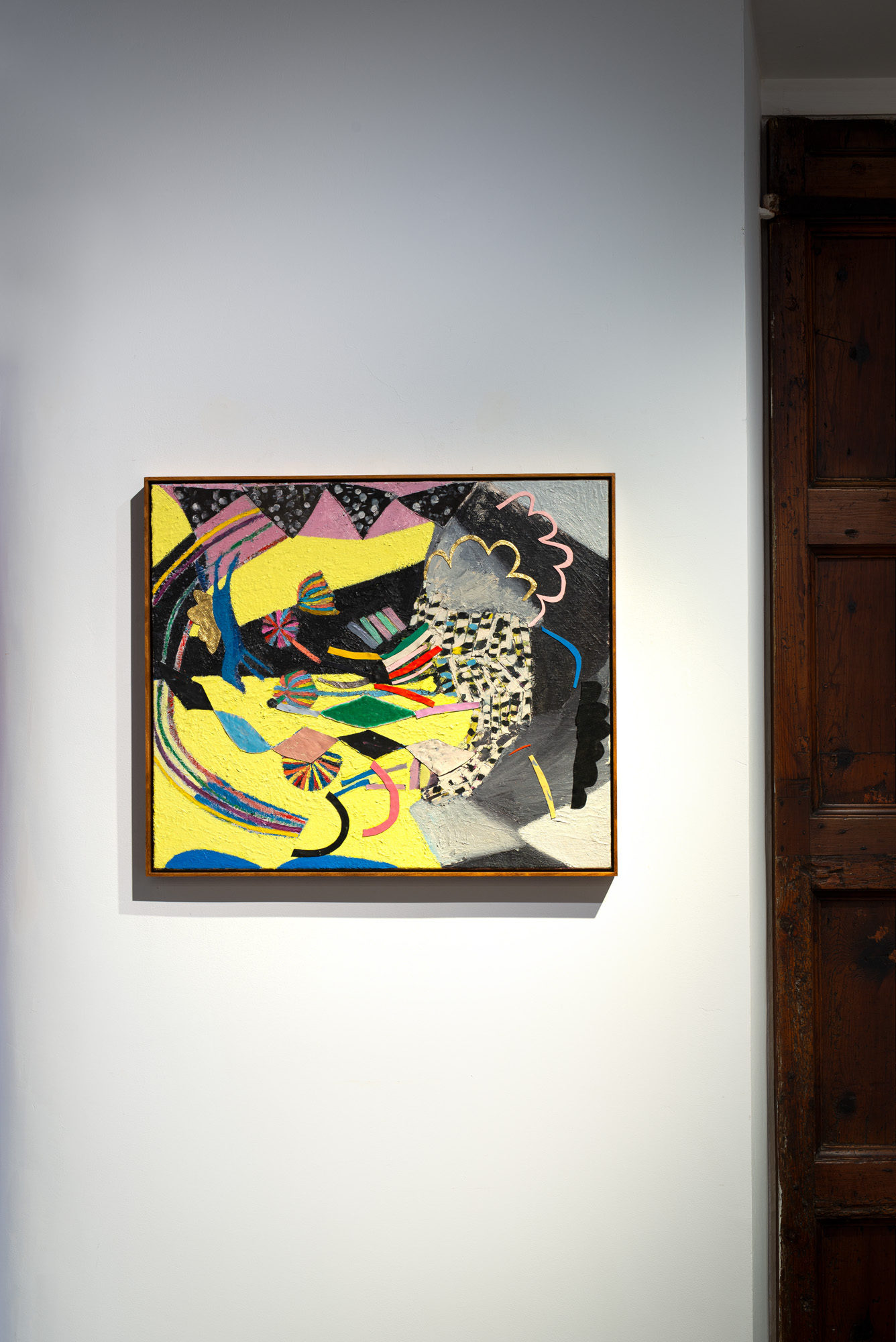
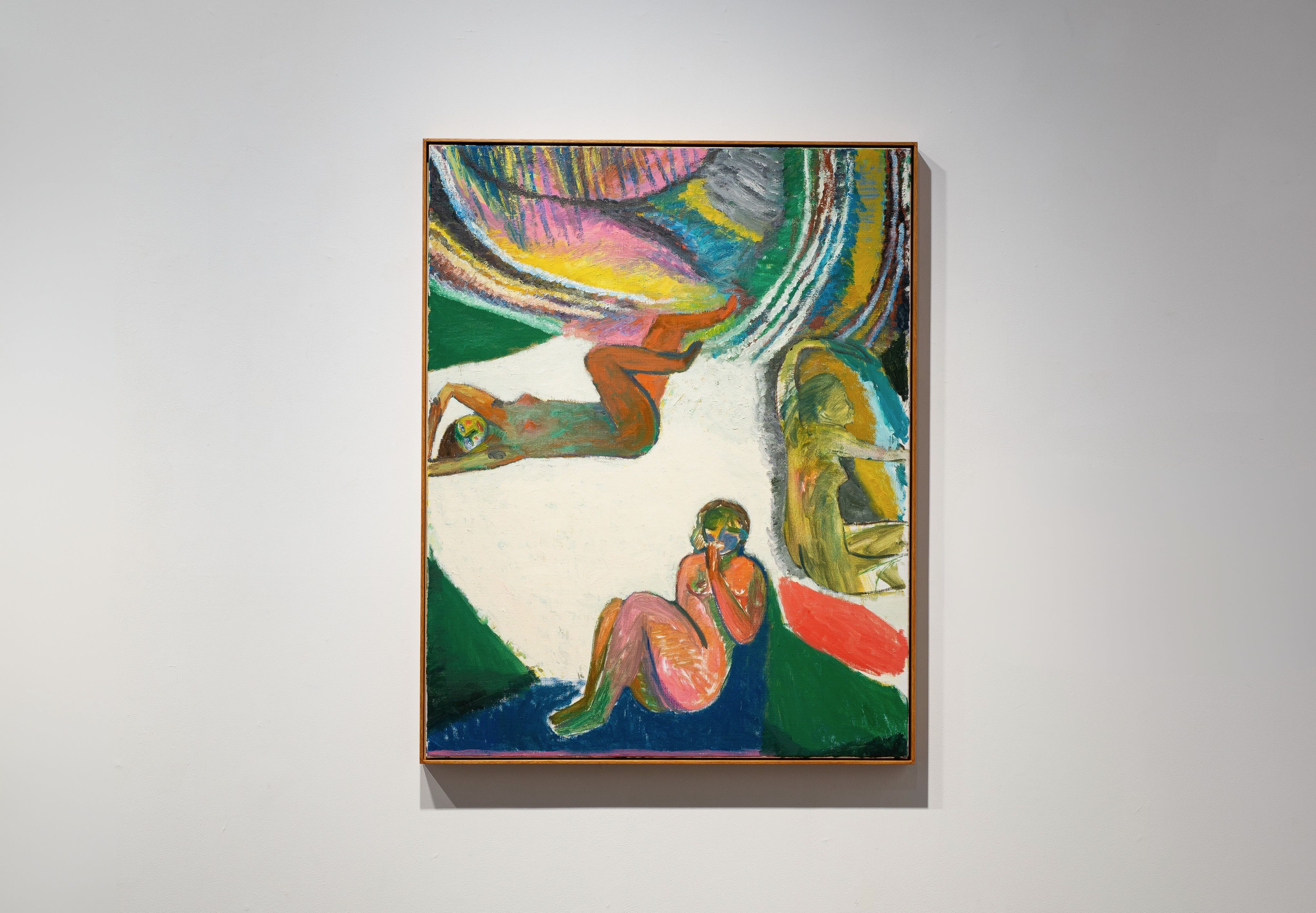
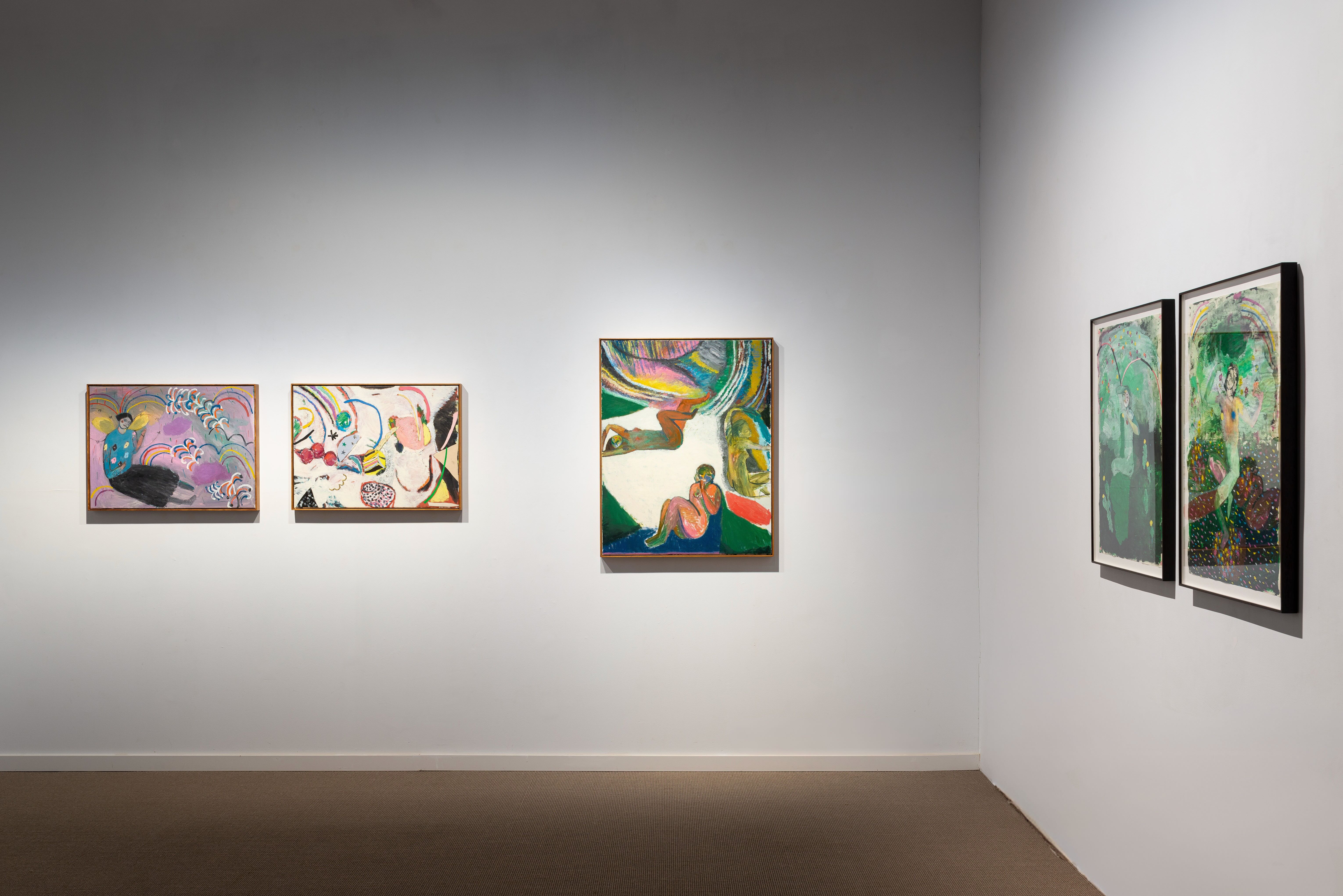
For her debut solo presentation in Palma de Mallorca, Monica Subidé conjures Galería Pelaires' Cabinet space into Espai per a l'absència (A Space for Absence). Perhaps it's the unique connection with Sa Roqueta, or the opportunity to transition from extensive solo presentations to a more intimate body of work, that enabled the Catalan artist to venture into previously unexplored realms. Working with a peculiar concept that speaks to our connection with space, this exhibition explores how our mood-setting emanates an inert and abstract yet almost tangible emotion field around us.
"In this exhibition, I wanted to paint an emotional space where logic did not exist, where everything was possible. This does not mean that I am no longer a figurative painter, but it does allow me to open up many possibilities," Subidé said about the serendipitously brought forth concepts that focus on space rather than one's position viewing. Viewing this concept as a metaphor for life—a means to reveal how different appearances and experiences can be—she became increasingly interested in the "realness" of our experiences and emotions, especially when caught between presence and absence. Through that, Subidé constructs a sense of liminal space between states, where life, while full of potential and emotion, can sometimes feel magically frozen or static.
Regardless of whether working with a still life/bodegón motif or figures, she approaches are deliberately rough, sketch-like, or even naïve. Subidé accentuates this expressive, "incorrect" rendering of elements or space layout, further distorting the sense of perspective and depth through immediate and bold mark-making. The abstraction of these envisioned elements is meant to suggest the mere existence of the motifs rather than their portrayal or depiction. As a result, the relationship with the surroundings becomes the subject matter, conveying a sense of intangible, fleeting experience rather than a concrete, fixed memory. While the visuals may hint at storytelling, they refuse definition. Fittingly, the titles—referencing musical works—emphasize them as energetic celebrations of movement, emotion, and the natural rhythms of life.
To achieve this, Subidé embraces the freedom of the painterly process, using the inner flame as fuel for the journey. "When you make a 'mistake,' that is the moment a window of opportunity opens in front of you," she describes her creative path, revealing a sharp awareness of its challenges. The intuitive, capricious, and largely unplanned process unfolds through laborious, alchemic experimentation, resulting in densely layered, richly textured meditations on sensibility, the body, and nature. In this space, masses take shape—a body, a head, flowers—generating concrete forms from otherwise unseen elements just as the void of a hole becomes defined by its edges. And the realness of these new forms and their forged surfaces is accentuated by collaged elements, evoking an unsettling feeling and a strong sense of concealment—as if the visible hides what remains unseen beneath.
This adventurous, daring, and imaginative approach, coupled with the willingness to make mistakes and respond to them, creates a tension between freedom and control, construction and destruction, resolution and chaos, experience and imagination. The resulting compositions feel disorderly, jumbled, and dreamy, prompting the eye and mind to seek clues while roaming the imaginary expanse. Envisioned as the sensation one experiences when facing an open space with a horizon and scenery, such a whimsical concept of landscape or space deliberately allows room for what is not there. By acknowledging absence as palpable and as meaningful as presence—perhaps a void that holds significance—Subidé opens even more windows for the viewer to gaze out of for meanings without clear logic.
(Exhibition text written by Sasha Bogojev, curator of the exhibition)